RTL872xD-Realtek IoT | Wi-Fi SoC

Ameba IoT wireless solutions, featuring high integration, stable performance, low power consumption, and enhanced security
Highlights
RTL872xD is designed based on dual-core Arm Cortex-M processor architecture with internally integrated large-capacity Flash and PSRAM memory, supporting Wi-Fi 4 dual-band (2.4GHz/5GHz, up to 150Mbps) and Bluetooth LE wireless connectivity. The chip reduces external component count through chip-level memory integration, simplifying hardware design and reducing PCB area and overall bill of materials cost. Security features include Arm TrustZone (optional configuration), Secure Boot, AES/SHA hardware encryption engine, Flash real-time decryption, OTP secure storage and authenticated debug access control, Bluetooth functions support Scatternet multi-device concurrency and SIG Mesh network, Wi-Fi supports multiple operating modes including Station, AP and related advanced features. The chip is equipped with rich peripherals including multiple GPIO, SPI, UART, I2C, I2S audio interface, USB, SDIO, PWM, timers and ADC, supports ultra-low-power sleep modes and WoWLAN network wake-up function, suitable for smart switches, smart plugs, environmental sensors, consumer electronics accessories and various mass-produced smart home products.

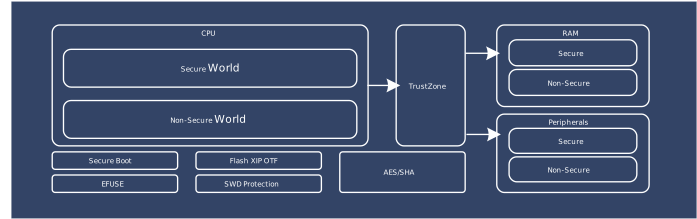
Integrates various security features including Arm TrustZone®, OTP storage, Flash XIP decryption, etc., to safeguard the security of customer products

Supporting 5GHz band to effectively avoid common interference sources (Bluetooth, Zigbee, and microwave devices etc.) through spectrum isolation, leveraging abundant non-overlapping channel resources to significantly reduce co-channel interference risks, delivering high-speed, low-interference stable transmission performance

Built-in audio codec supports audio input and output, reducing dependency on external components and adaptation costs, facilitating voice interaction and audio playback.

Supporting ultra-low-power WoWLAN and enabling rapid restoration of the original runtime contexts, it empowers battery-powered devices with network listening wake-up functionality

USB 2.0 High-Speed Host/Device, SD card/eMMC
System Architecture

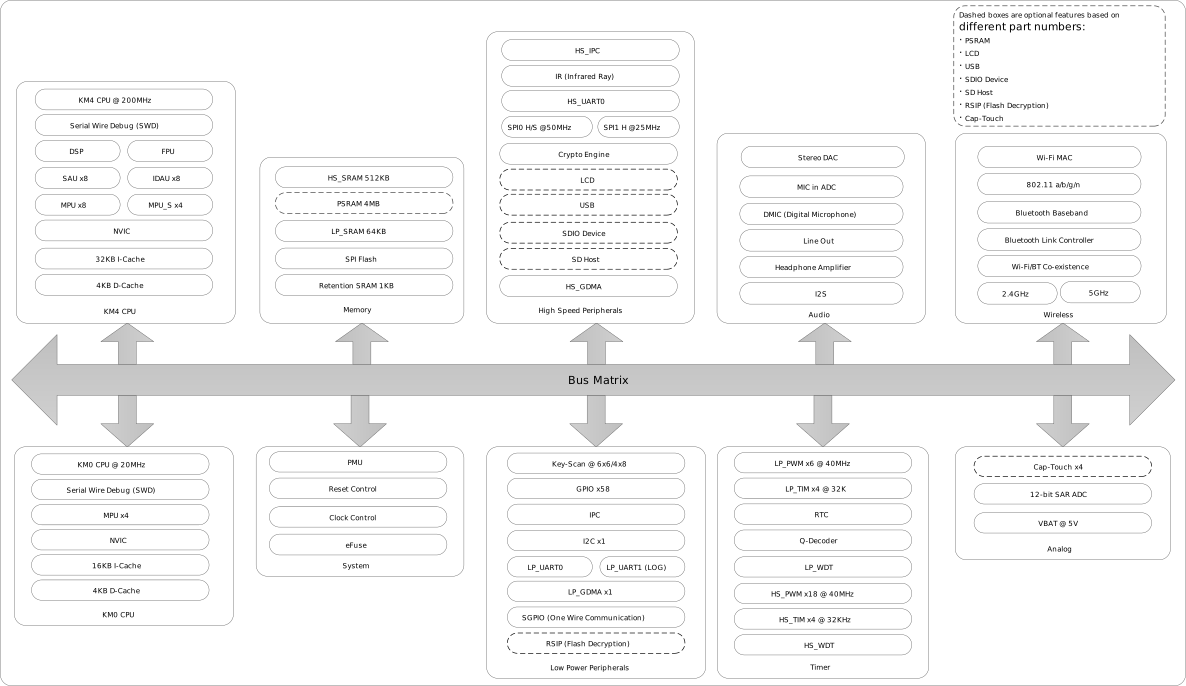
- Armv8-M Architecture
- Arm Cortex®-M33 ISA compatible
- Up to 200MHz
- 32KB I-Cache
- 4KB D-Cache
- FPU/DSP instruction extensions
- Arm TrustZone®-M
- Armv8-M Architecture
- Arm Cortex®-M23 ISA compatible
- Up to 20MHz
- 16KB I-Cache
- 4KB D-Cache

- Real-300: 512KB SRAM, 4MB PSRAM, 8-bit DDR
- Real-200: 64KB SRAM, 1KB retention SRAM, retains data in power-saving mode
Part Number
| Part number | RTL8720DN-VA1-CG | RTL8720DN-VT1-CG | RTL8720DF-VA1-CG | RTL8720DF-VT1-CG | RTL8721DM-VA1-CG | RTL8722DM-VA1-CG | RTL8722DM-VP1-CG |
|---|---|---|---|---|---|---|---|
| Real-M300 | 200MHz | 200MHz | 200MHz | 200MHz | 200MHz | 200MHz | 200MHz |
| Real-M200 | 40MHz | 40MHz | 40MHz | 40MHz | 40MHz | 40MHz | 40MHz |
| On-chip SRAM | 512KB | 512KB | 512KB | 512KB | 512KB | 512KB | 512KB |
| Arm TrustZone | Y | Y | Y | Y | Y | Y | Y |
| NOR Flash | N | N | 4MB | 4MB | N | N | N |
| PSRAM | N | N | N | N | 4MB | 4MB | 4MB |
| Wi-Fi | Wi-Fi 4 (Dual Band) | Wi-Fi 4 (Dual Band) | Wi-Fi 4 (Dual Band) | Wi-Fi 4 (Dual Band) | Wi-Fi 4 (Dual Band) | Wi-Fi 4 (Dual Band) | Wi-Fi 4 (Dual Band) |
| Bluetooth | LE | LE | LE | LE | LE | LE | LE |
| Operating voltage | 2.97V ~ 3.63V | 2.97V ~ 3.63V | 2.97V ~ 3.63V | 2.97V ~ 3.63V | 2.97V ~ 3.63V | 2.97V ~ 3.63V | 2.97V ~ 3.63V |
| Operating temperature | -20°C ~ 85°C | -40°C ~ 105°C | -20°C ~ 85°C | -40°C ~ 105°C | -20°C ~ 85°C | -20°C ~ 85°C | -20°C ~ 85°C |
| Package (mm) | QFN48 (6 x 6) | QFN48 (6 x 6) | QFN48 (6 x 6) | QFN48 (6 x 6) | QFN68 (8 x 8) | QFN88 (10 x 10) | QFN88 (10 x 10) |
Peripheral Interfaces
| FUNCTION | RTL8720DN-VA1 | RTL8720DN-VT1 | RTL8720DF-VA1 | RTL8720DF-VT1 | RTL8721DM-VA1 | RTL8722DM-VA1 | RTL8722DM-VP1 |
|---|---|---|---|---|---|---|---|
| GPIO | 19 | 19 | 20 | 20 | 32 | 52 | 52 |
| SPI | 2 | 2 | 3 | 3 | 3 | 3 | 3 |
| UART | 4 | 4 | 4 | 4 | 3 | 4 | 4 |
| I2C | 2 | 2 | 2 | 2 | 1 | 2 | 2 |
| I2S | 1 | 1 | 1 | 1 | 1 | ||
| Audio analog output | 2 | 2 | |||||
| Digital microphone | 2 | 2 | 2 | 2 | 2 | 2 | 2 |
| Analog microphone | 1 | ||||||
| ADC and Cap-touch | 3 | 3 | 3 | 3 | 7 | 7 | 7 |
| Infrared Transeiver | 1 | 1 | 1 | 1 | 1 | 1 | 1 |
| Key-Scan | 5 x 4 | 5 x 4 | 5 x 4 | 5 x 4 | 7 x 7 | 8 x 8 | 8 x 8 |
| SWD Interface | 1 | 1 | 1 | 1 | 1 | 1 | 1 |
| PWM | 8 | 8 | 13 | 13 | 11 | 17 | 19 |
| USB | 1 | 1 | 1 | 1 | 1 | 1 | 1 |
| SDIO_HOST | 1 | 1 | 1 | 1 |
Security Features
We consistently prioritize security as the core of our products, offering our customers a rich array of security features through hardware design and providing exceptional hardware-based attack resistance, helping to create IoT products with ultimate security.
| Features | Filter | RTL8720F | RTL8721F | RTL8721Dx | RTL8720E | RTL8710E | RTL8726E | RTL8713E | RTL8730E | RTL872xD | RTL8735B |
|---|---|---|---|---|---|---|---|---|---|---|---|
| AES Hardware Engine | Y | Y | Y | Y | Y | Y | Y | Y | Y | Y | |
| SHA Hardware Engine | Y | Y | Y | Y | Y | Y | Y | Y | Y | Y | |
| ECDSA/ECDH Hardware Engine | Y | Y | N | Y | Y | Y | Y | Y | N | Y | |
| EDDSA Hardware Engine | Y | Y | N | N | N | N | N | Y | N | Y | |
| RSA Hardware Engine | Y | Y | N | N | N | N | N | Y | N | Y | |
| Secure Boot | Y | Y | Y | Y | Y | Y | Y | Y | Y | Y | |
| Flash OTF Decryption | Y | Y | Y | Y | Y | Y | Y | Y | Y | Y | |
| Arm TrustZone | Y | Y | Y | Y | N | Y | N | Y | Y | Y | |
| OTP Secure Storage | Y | Y | Y | Y | Y | Y | Y | Y | Y | Y | |
| True Random Number Generator | Y | Y | Y | Y | Y | Y | Y | Y | N | Y | |
| HUK Derivation Mechanism | Y | Y | Y | Y | Y | Y | Y | Y | N | Y | |
| Authenticated Debug Access | Y | Y | Y | Y | Y | Y | Y | Y | Y | Y |
Based on asymmetric encryption and digital signature mechanisms, it verifies public key hashes and firmware signatures. This process can prevent tampering and rollback attacks, ensuring that the device only runs trusted firmware
Supports both embedded and external Flash, with independent key encryption for multiple firmware. When the CPU executes encrypted firmware, it is decrypted in real-time by hardware, with nearly imperceptible performance impact. Supports unique encryption for each device, preventing injection and cloning attacks
Based on the Arm TrustZone® architecture, coupled with a dedicated hardware access control unit, it achieves strong isolation protection for secure memory areas and secure peripherals. Meanwhile, secure firmware is decrypted by the security encryption engine and loaded into the secure RAM area, ensuring protection against leakage and tampering throughout the entire process
After locking the key area, access is limited to the security engine, preventing tampering and unauthorized reading
Strict control over debug interface access through authentication mechanisms. Supports authorized access and permanent closure, eliminating physical debug attacks. Meets security management requirements at different stages of the product lifecycle, effectively enhancing overall security
Wireless Connectivity
Wi-Fi Feature List
| Features | Filter | RTL8720F | RTL8721F | RTL8721Dx | RTL8720E | RTL8710E | RTL8726E | RTL8713E | RTL8730E | RTL872xD | RTL8735B |
|---|---|---|---|---|---|---|---|---|---|---|---|
| Frequency | 2.4GHz | 2.4GHz/5GHz | 2.4GHz/5GHz | 2.4GHz | 2.4GHz | 2.4GHz | 2.4GHz | 2.4GHz/5GHz | 2.4GHz/5GHz | 2.4GHz/5GHz | |
| Bandwidth | 20MHz | 20MHz | 40MHz | 20MHz | 20MHz | 20MHz | 20MHz | 20MHz | 40MHz | 20MHz | |
| Maximum PHY rate | 114.7Mbps | 114.7Mbps | 150Mbps | 114.7Mbps | 114.7Mbps | 114.7Mbps | 114.7Mbps | 114.7Mbps | 150Mbps | 72Mbps | |
| 802.11a | N | Y | Y | N | N | N | N | Y | Y | Y | |
| 802.11ax (Wi-Fi6) | Y | Y | N | Y | Y | Y | Y | Y | N | N | |
| 802.11b/g/n | Y | Y | Y | Y | Y | Y | Y | Y | Y | Y | |
| 802.11e/i/w/d/k/v/r | Y | Y | Y | Y | Y | Y | Y | Y | Y | Y | |
| WMM/WPA1~3/WPS/ 802.1X/EAP |
Y | Y | Y | Y | Y | Y | Y | Y | Y | Y | |
| UL LDPC | Y | Y | Y | Y | Y | Y | Y | Y | Y | Y | |
| DL STBC | Y | Y | Y | Y | Y | Y | Y | Y | Y | Y | |
| Auto Antenna Diversity | Y | Y | Y | Y | Y | Y | Y | Y | Y | Y | |
| CSI | Y | Y | Y | Y | Y | Y | Y | Y | N | N | |
| MCC | Y | Y | Y | Y | Y | Y | Y | Y | N | N | |
| R-MESH | Y | Y | Y | N | N | N | N | N | N | N | |
| Wi-Fi Card Mode | Y | Y | Y | Y | Y | Y | Y | N | N | N | |
| P2P/NAN | Y | Y | Y | Y | Y | Y | Y | Y | N | N | |
| TWT | Y | Y | Y | Y | Y | Y | Y | Y | N | N |
Bluetooth Feature List
| Features | Filter | RTL8720F | RTL8721F | RTL8721Dx | RTL8720E | RTL8710E | RTL8726E | RTL8713E | RTL8730E | RTL872xD | RTL8735B |
|---|---|---|---|---|---|---|---|---|---|---|---|
| Bluetooth Mode | Bluetooth LE | Bluetooth LE | Bluetooth LE | Bluetooth LE | Bluetooth LE | Bluetooth Dual Mode | Bluetooth Dual Mode | Bluetooth Dual Mode | Bluetooth LE | Bluetooth LE | |
| Bluetooth BR/EDR | N | N | N | N | N | Y | Y | Y | N | N | |
| LE Audio | N | N | N | N | N | N | N | Y | N | N | |
|
Dedicated antenna for Bluetooth |
N | N | N | N | N | N | N | Y | N | N | |
| Scatternet | Y | Y | Y | Y | Y | Y | Y | Y | Y | Y | |
| LE 2Mpbs PHY | Y | Y | Y | Y | Y | Y | Y | Y | Y | Y | |
| LE Long Range | Y | Y | Y | Y | Y | Y | Y | Y | N | Y | |
|
LE Advertising Extensions |
Y | Y | Y | Y | Y | Y | Y | Y | N | Y | |
| Periodic Advertising | N | N | N | Y | Y | Y | Y | Y | N | N | |
| Periodic Advertising Sync Transfer |
N | N | N | Y | Y | Y | Y | Y | N | N | |
|
Direction Finding (AoA/AoD) |
N | N | N | Y | Y | Y | Y | Y | N | N | |
|
LE Isochronous Channels (CIS/BIS) |
N | N | N | N | N | N | N | Y | N | N | |
| LE Power Control | N | N | N | Y | Y | Y | Y | Y | N | N | |
| SIG Mesh | Y | Y | Y | Y | Y | Y | Y | Y | Y | N | |
| High-Power Mode | Y | Y | TBD | N | N | N | N | N | N | N |
System Power Consumption
| Mode | Wi-Fi | Power Consumption | Unit | Comment |
|---|---|---|---|---|
| Deep-Sleep | OFF | 10 | µA | Flash package |
| Sleep | OFF | 75 | µA | Flash package |
| Active | OFF | 20 | mA | 0.9V WFI mode, CPU=200MHz |
| WoWLAN | DTIM=3 | 191 | µA | 2.4G mode |
| WoWLAN | DTIM=10 | 110 | µA | 2.4G mode |
Note:
- Test conditions: 3.3V, 25°C
- WoWLAN: System average power consumption
Application Scenarios
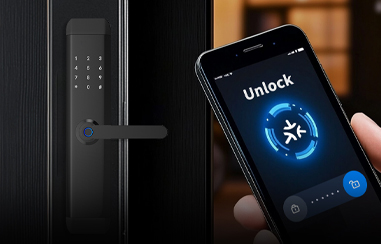
Ameba IC integrates Arm® security architecture, hardware encryption engine (AES/SHA), secure boot, and OTP secure storage, enabling chip-level encrypted storage and verification of fingerprint, password, and Bluetooth unlocking data. Based on BLE secure connection protocol, it achieves encrypted linkage with mobile phones. Ultra-low power design with WoWLAN network wake-up function is suitable for battery-powered door lock scenarios, ensuring instant unlocking. Rich peripherals can directly drive touch buttons, capacitance detection, and infrared sensing modules, meeting 24/7 standby stable operation and remote control requirements for smart door locks.

Ameba IC is PSA Level 2 certified, with the built-in hardware encryption engine and Flash XIP real-time decryption function, providing chip-level security protection for firmware and payment transaction data. It integrates BLE and Wi-Fi wireless communication functionality, and is equipped with rich interfaces such as SPI, USB, and SDIO, perfectly adapting to diverse mobile payment scenarios. The high-performance Arm Cortex®-M core ensures real-time and efficient transaction data processing and peripheral interaction, fully meeting the stringent performance requirements of commercial payment collection.

Ameba IC leverages the high-bandwidth advantage of dual-band Wi-Fi to deliver high-definition lossless audio transmission, complemented by a built-in Audio Codec and professional audio processing core that ensure end-to-end high-fidelity sound quality. The IC supports smart network configuration and device management, enabling OTA updates and multi-device handover via cloud platforms. Furthermore, its advanced low-power management technology achieves exceptional energy efficiency even in Wi-Fi mode, significantly extending headphone battery life and facilitating the development of slim, cost-effective Wi-Fi headphone products.

Ameba IC optimizes the Wi-Fi and Bluetooth coexistence architecture with efficient RF design, incorporating hardware-level time-division multiplexing and anti-interference algorithms to achieve millisecond-level ultra-low latency and interference-resistant connectivity. This effectively prevents game operation lag and disconnections, meeting the demands of esports-grade performance. Equipped with a high-performance Arm® Cortex-M core and hardware Key-Scan interface, it ensures precise response to multi-key operations while maintaining low power consumption and extended battery life. This enables the development of professional-grade Wi-Fi game controllers focused on low latency and stable connectivity.

Ameba IC integrates dual-band Wi-Fi and Bluetooth dual-mode communication, supporting stable wireless connectivity and Mesh networking. This enables seamless interaction between toys and mobile apps, as well as coordinated multi-toy interactions. Featuring a high-performance, low-power architecture, the IC balances extended battery life with smooth responsiveness. With a built-in Audio Codec and rich peripherals, it enables rapid implementation of core functions such as voice playback and button control. This allows toy manufacturers to develop smart toys with modern features—including voice interaction, mobile app control, multi-toy synchronization, and online content services—at a highly competitive cost, delivering a more immersive and imaginative play experience for children.
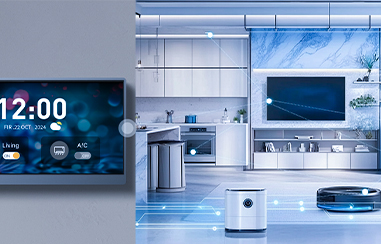
Ameba IC leverages BLE and dual-band Wi-Fi dual-mode capabilities to enable protocol conversion and relay transmission between Bluetooth terminal data and the cloud. With BLE long-range communication features, combined with high transmit power and excellent receive sensitivity, it supports multi-node BLE Mesh networking and is compatible with multi-master/slave scatternet architecture. This effectively expands the gateway coverage, facilitates Bluetooth device access in scenarios such as smart homes and buildings, and achieves efficient interconnection of large-scale nodes. Meanwhile, the PSA Level 2 security mechanism ensures data transmission privacy.

Ameba IC integrates capabilities of voice control, infrared learning, wireless remote control and tactile interaction, providing a core solution for next-generation smart remotes and interactive devices. Equipped with a high-performance Audio Codec and I2S interface, it supports dual digital microphone arrays and cooperates with a dual-core processor to achieve low-latency, high-accuracy local voice wake-up and command recognition. A built-in hardware IR transceiver is compatible with mainstream global consumer electronics infrared protocols, breaking the control barrier between new and old devices. It also supports Wi-Fi and BLE dual-mode communication, flexibly connecting smart home devices, realizing seamless switching between Bluetooth voice control and Wi-Fi cloud control, and easily integrating into the whole-house smart ecosystem.